From Dusk to Dawn: A Personal Reflection on Finding Balance in the Extremes
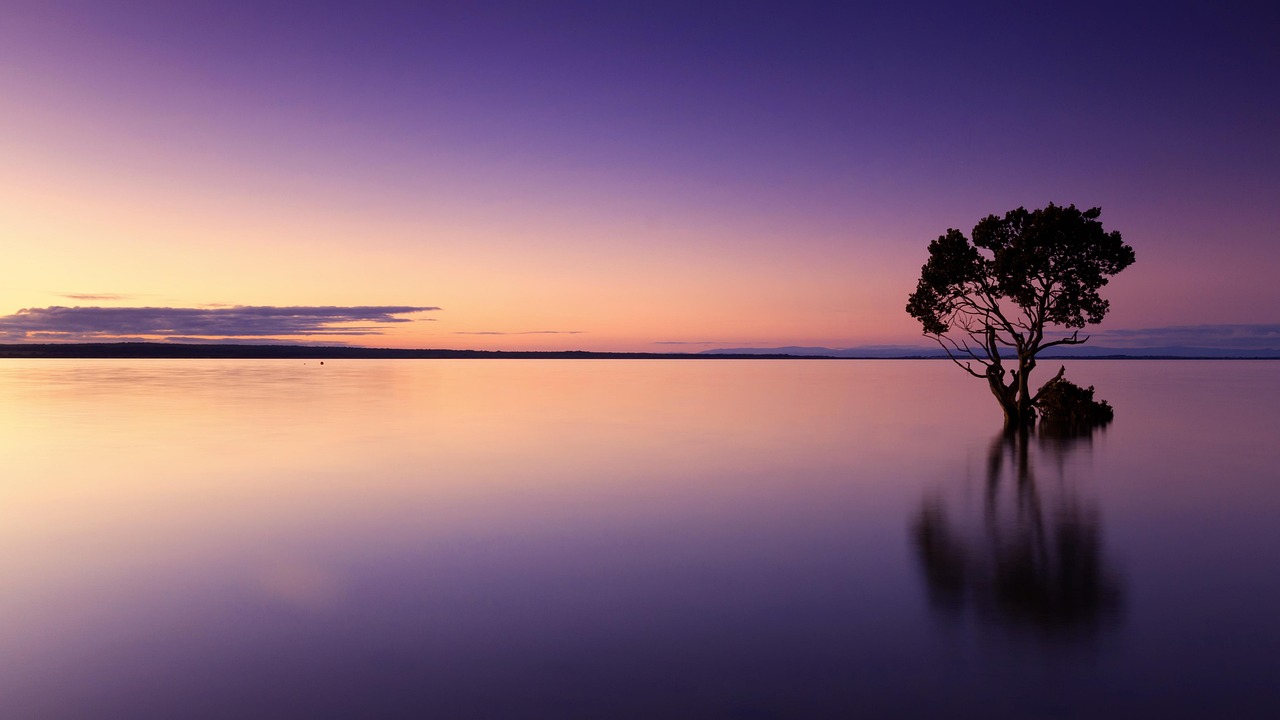
I have always been drawn to the hours between day and night. Not the bright, demanding light of noon, and not the deep, quiet dark of midnight, but the soft, in-between moments when the world seems to hold its breath. Dusk and dawn are not just times on a clock. They are reminders that life is not black and white, that the most beautiful things often happen in the gray areas, in the transitions, in the spaces where one thing is ending and another is beginning.
We live in a culture that loves extremes. We are told to be all in or all out, to hustle hard or burn out completely, to be positive at all costs or to give in to despair. There is little room for nuance, for the middle ground, for the quiet acknowledgment that life is made up of both light and shadow, and that both are necessary. We chase the dawn and fear the dusk, forgetting that they are two halves of the same whole.
The Wisdom of the In-Between Hours
Dusk teaches us about letting go. As the sun dips below the horizon, the day's energy begins to fade. The world grows quieter. The demands of the day recede, and we are left with ourselves. For many of us, this is uncomfortable. We are so used to being busy, to being needed, to being distracted, that the stillness of dusk feels like an emptiness rather than a gift. But if we can learn to sit with it, dusk offers us a chance to reflect, to release, to forgive ourselves for what did not get done and to be grateful for what did.
Dawn, on the other hand, teaches us about beginning again. No matter how dark the night has been, the sun always rises. The world wakes up. Birds sing. Coffee brews. There is a fresh start waiting for us, not because we deserve it or earned it, but simply because that is how the world works. Dawn reminds us that we are not defined by our failures or our struggles. We are defined by our willingness to get up and try again.
Finding Balance in the Extremes
The practice of balancing dusk and dawn is not about being neutral or passive. It is about embracing the full spectrum of human experience. It is about allowing yourself to feel the sadness of dusk without drowning in it, and allowing yourself to feel the hope of dawn without clinging to it. It is about recognizing that you are not one thing or the other—you are both. You are the person who struggles and the person who overcomes. You are the person who rests and the person who rises.
As you move through your days, pay attention to the moments when you are resisting one extreme or the other. Are you pushing yourself too hard to be positive when you actually need to grieve? Are you holding onto the past when you need to let go? Are you afraid of the dark when what you really need is to rest in it? The next time you find yourself at dusk or dawn—literally or metaphorically—pause. Breathe. And remember that you do not have to choose. You can hold both. That is where balance lives.