Small Rituals, Big Impact: How Tiny Daily Habits Shape Your Inner Life
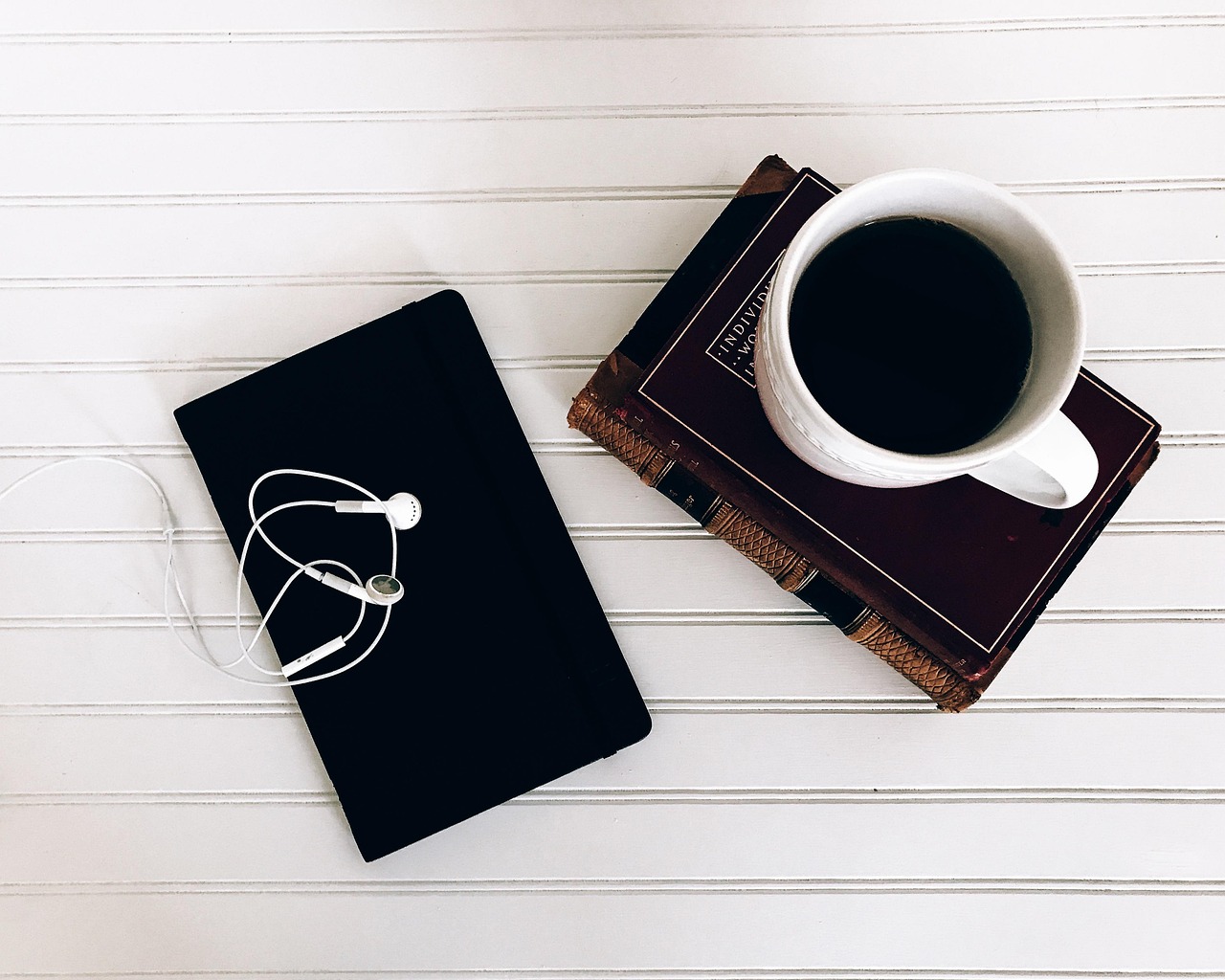
We tend to think of rituals as grand, ceremonial events—weddings, graduations, religious observances. But some of the most powerful rituals in our lives are the ones we barely notice. The way you make your coffee in the morning. The route you walk your dog every evening. The moment you pause before opening your front door, leaving the stress of the day behind. These small, repeated actions are not just habits. They are the threads that weave the fabric of our daily lives, and when we pay attention to them, they can become sources of deep meaning and stability.
A ritual is different from a routine. A routine is something you do to get through the day. A ritual is something you do to be present in the day. The difference is intention. When you brush your teeth, that is a routine. When you light a candle before you brush your teeth, that is a ritual. Both serve a practical purpose, but the ritual also serves a spiritual one. It creates a moment of pause, a breath between the doing and the being. It reminds you that you are not just a machine completing tasks—you are a person living a life.
The Power of Repetition
There is something grounding about repetition. When you do the same thing at the same time every day, you create a rhythm that your body and mind come to rely on. This is why children thrive on routine—it gives them a sense of safety and predictability in a world that can feel chaotic. Adults are no different. We may not admit it, but we crave rhythm. We crave the comfort of knowing what comes next.
But the real power of ritual is not just in the comfort it provides. It is in the way it shapes our attention. When you decide that your morning cup of tea is going to be a ritual rather than a habit, you transform it from something you do on autopilot into something you actually experience. You notice the warmth of the mug in your hands. You smell the steam rising from the cup. You taste the tea instead of just drinking it. You are fully present for a few minutes, and that presence carries into the rest of your day.
Creating Your Own Rituals
You do not need to adopt someone else's ritual to benefit from the practice. The most meaningful rituals are the ones you create for yourself, based on what matters to you. Maybe it is a Sunday evening ritual of writing a letter to a friend. Maybe it is a Friday morning ritual of walking to the bakery for a fresh pastry. Maybe it is a bedtime ritual of reading a poem before you turn off the light. The only requirement is that it is something you do regularly and with intention.
As you build your rituals, pay attention to how they make you feel. Do they leave you feeling more connected to yourself and the world around you? Do they bring a sense of calm or joy or gratitude? If not, you may want to adjust them. Rituals are not meant to be obligations. They are meant to be anchors—small, reliable points of meaning in the midst of a busy, noisy world. And sometimes, those small points are exactly what we need to stay grounded.